















30 Sep
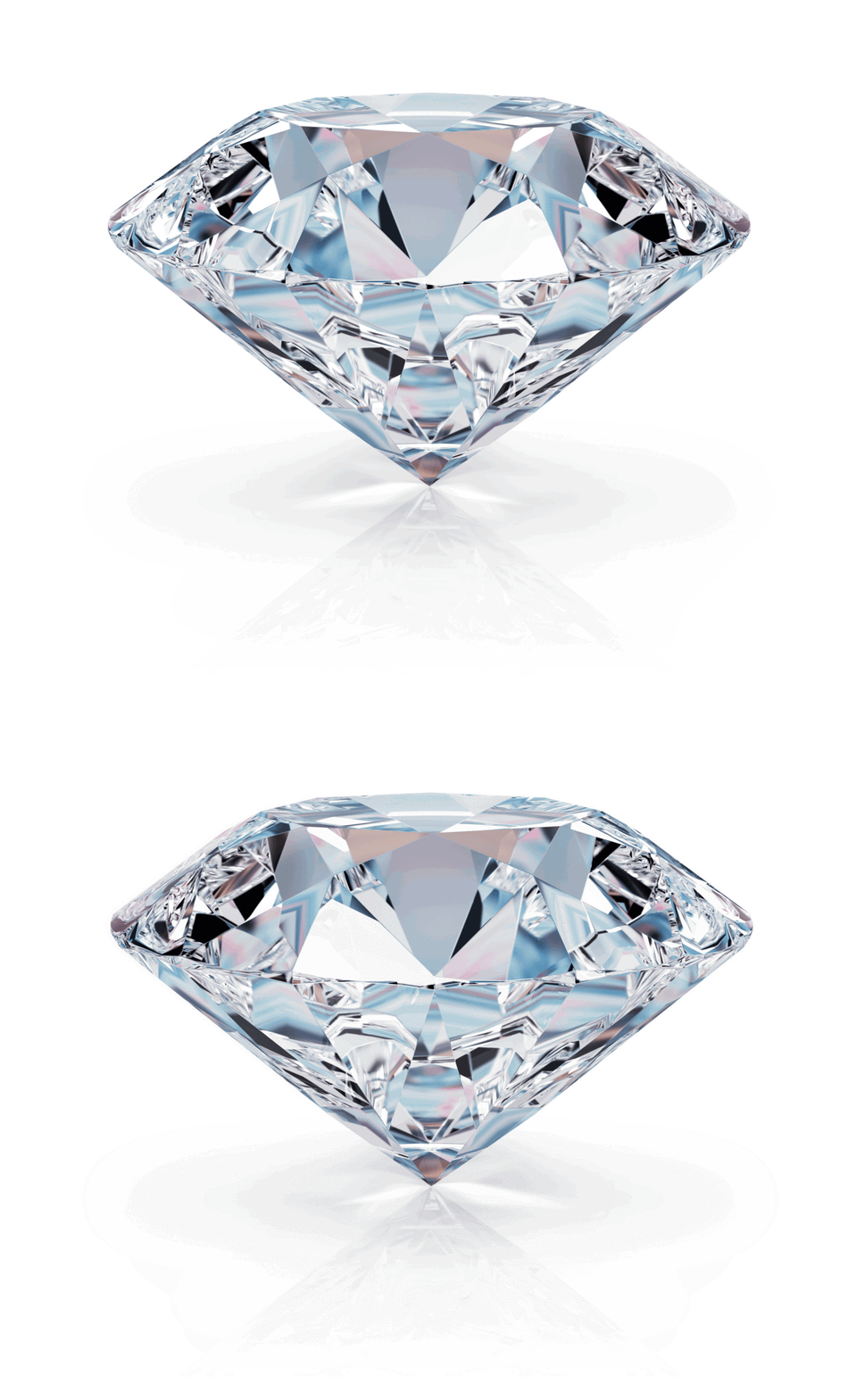
Learn About Diamond 4Cs in 1 Minute – Clarity
Learn About Diamond 4Cs in 1 Minute – Clarity

In this article, we will introduce the third C of the diamond 4Cs — Clarity.
Compared with other gemstones, diamonds form under extremely harsh natural conditions. Rough diamonds are generated in the upper mantle, 120 to 200 kilometers beneath the Earth’s surface, where the temperature ranges from 900 to 1300 degrees Celsius with atmospheric pressure between 45,000 and 60,000 atmospheres. Volcanic eruptions then bring these naturally formed rough diamonds up to the Earth’s surface.
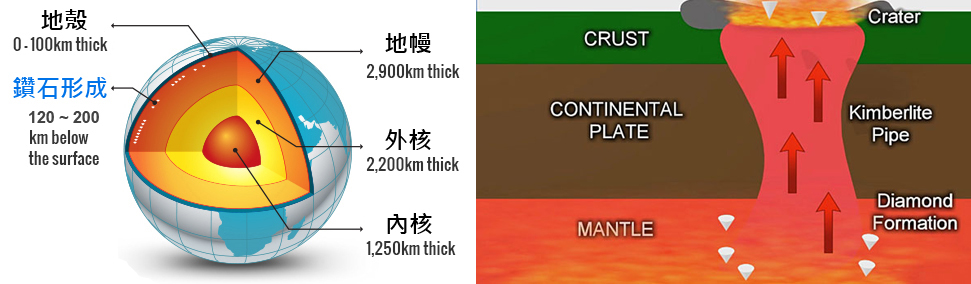
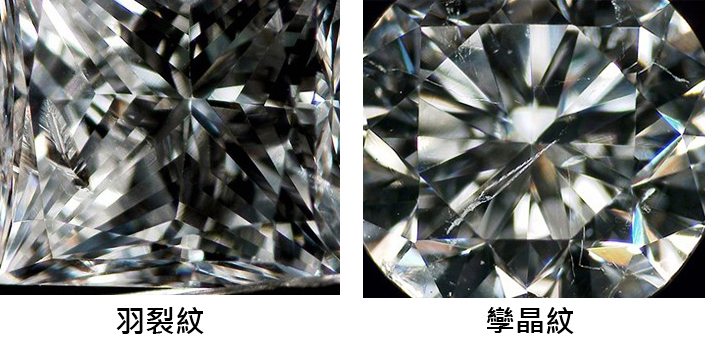
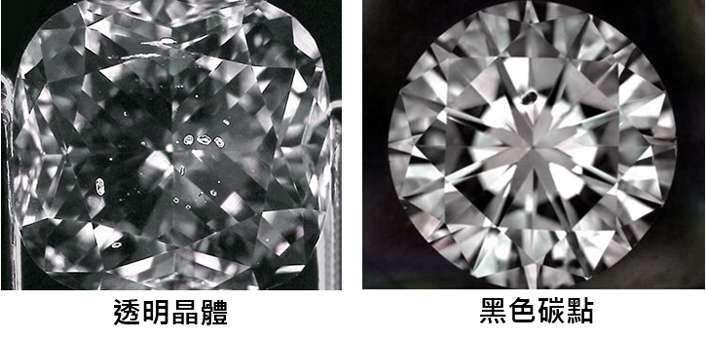
Due to such rigorous crystallization environments, rough diamonds naturally develop unique internal textures during formation, such as twin lines and feather fractures. They may also trap other mineral particles inside, forming natural internal markings known as Inclusions. The most common inclusions found in rough diamonds are tiny diamond crystals and graphite carbon particles.
In addition to internal inclusions, surface imperfections created during the cutting and polishing process of loose diamonds are defined as Blemishes. Typical blemishes include polish lines and extra facets, among other minor surface traces.
Established in 1953, the GIA Diamond 4Cs Grading System evaluates diamond inclusions and blemishes under standard lighting and background conditions using a 10x magnification loupe. Based on the nature, size, quantity, position, and visibility of internal and external features, GIA classifies diamond clarity into five major categories, further divided into 11 detailed grades: Flawless, VVS, VS, SI, and I.
According to official GIA standards, diamonds graded SI1 and above present no visible features to the naked eye when viewed from the top face. Many beginners mistakenly identify surface dust and lint — caused by diamonds’ strong lipophilic properties — as natural diamond flaws, which is actually a common misjudgment.
It is important to correct a widespread misunderstanding: many consumers refer to diamond inclusions as “defects” and pursue completely “clean” diamonds. However, all natural gemstones contain unique natural characteristics to varying degrees, and GIA’s grading standard is based solely on 10x magnification observation.
Even diamonds graded Flawless — the highest full clarity grade — will display tiny natural features under thousands of times of microscopic magnification. Therefore, these internal markings are better described as natural characteristics rather than flaws. Just like individuals, every diamond is uniquely formed by nature, and no two identical diamonds exist in the world.
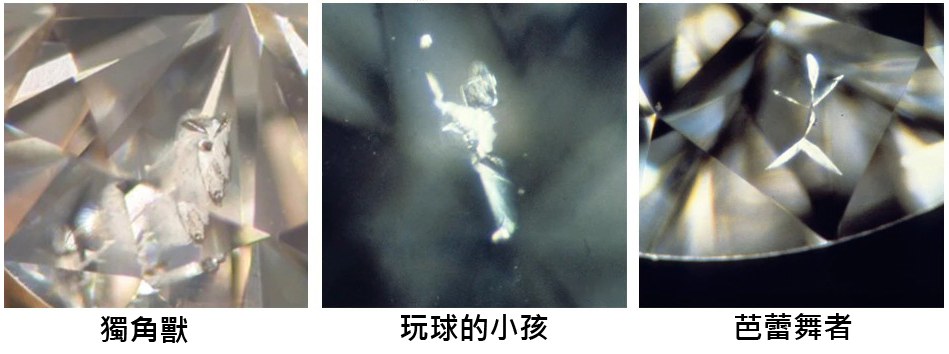
We encourage everyone to appreciate diamond clarity characteristics from an aesthetic perspective. Some feather inclusions resemble dancing ballerinas or leaping dolphins. Diamonds containing tiny diamond crystal inclusions or carbon spots carry wonderful symbolic meanings, representing eternal wealth and unique natural blessings.
Formed through hundreds of millions of years of extreme temperature and pressure, each diamond is a miraculous crystallization of nature. Polished and tempered over time, these precious gemstones carry unique spiritual value and natural vitality. Every diamond is worthy of admiration and permanent collection.
Showing 1 to 1 of 1 (1 Pages)
1 Comment(s)
The new interface in this phone update looks much easier to use and more intuitive. The icons and layout are neatly arranged, making operation feel faster and more pleasant than before. I think the design is simpler yet still modern, preventing users from getting confused during daily use. Overall, it's a pretty good and easy to get used to update.
Leave a comment