








Tools of the Trade
To achieve a flawless setting result, a master stone setter relies on a suite of highly specialized, precision tools. These include:
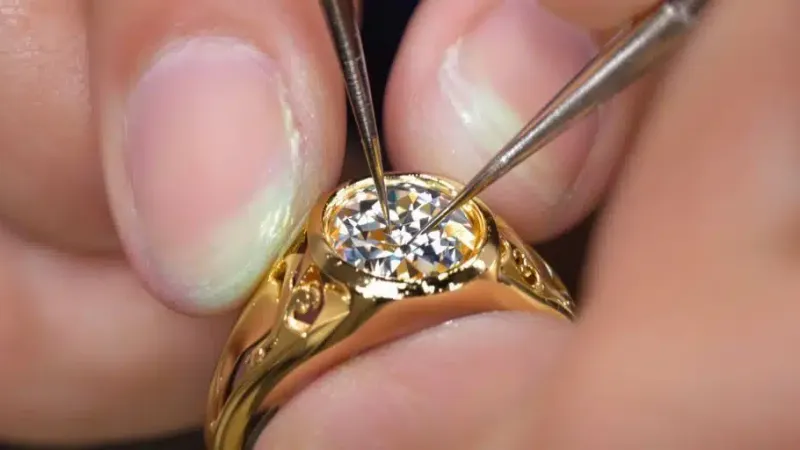
Tweezers (Onglettes): A thin, pointed implement designed to manipulate and refine the metal surrounding a gemstone with pinpoint accuracy.
Jeweler’s Hammer: Used to shape precious metal and form the prongs or bezels that secure gemstones in place.
Gravers & Chisels: These precision tools prepare the metal seat, hollow out recesses for gemstones, and refine intricate details.
Binocular Microscope: Indispensable for high-precision work, it provides the setter with a magnified, detailed view of the workpiece — much like the equipment used in high-end horology.
Every tool serves a distinct, critical purpose in the setting process, and mastering them is essential to creating a perfect mount that enhances a gemstone’s beauty without compromising its security.
Setting Techniques to Elevate Gemstone Quality
Selecting the right setting technique is paramount to showcasing a gemstone’s natural beauty and ensuring the long-term durability of fine gold jewelry. Each method has unique characteristics that shape both the appearance and security of the stone.
Prong Setting: Unmatched Brilliance & Focus
This is the most iconic and widely used setting technique in fine jewelry. Prong setting secures a gemstone using small, carefully shaped metal prongs (typically 4–6) that wrap gently around the stone’s girdle. Its greatest advantage is that it allows maximum light to pass through the gemstone, amplifying its natural sparkle and fire. It is the ideal choice for stones meant to dazzle, most notably round brilliant-cut diamonds.
Key Benefits: Maximizes light penetration and brilliance, keeping the gemstone the undeniable focal point.
Ideal For: Diamonds, center stones, solitaire engagement rings, and statement pieces.
Potential Drawbacks: Prongs can catch on clothing or fabrics, and the stone is more exposed to impact damage.
Bezel Setting: Ultimate Security & Timeless Elegance
In a bezel setting, the gemstone is fully encased in a custom-fitted metal rim, providing unparalleled protection. This ancient technique lends jewelry a refined, seamless, and secure appearance, making it especially well-suited for softer gemstones, or for sleek, modern designs that eliminate the risk of snags. It is the gold standard for pendants and earrings where maximum stone protection is a priority.
A full bezel setting wraps the entire circumference of the stone in a metal base, delivering the highest level of protection for sensitive, high-value, or fragile gemstones.
Pavé Setting (Grain Setting): Dazzling Luxury & Continuous Sparkle
This technique is perfect for setting clusters of small gemstones to create a seamless, glittering surface. The setter uses tiny, hand-shaped metal beads (called “grains”) to secure each small stone individually, resulting in a continuous, carpet-like layer of diamonds or gemstones. It is this technique that gives many wedding bands, cocktail rings, and luxury bracelets their iconic, lavish sparkle.
Core Technique: Stones are secured with hand-formed micro metal grains.
Visual Effect: A smooth, uninterrupted, highly lustrous surface of light.
Common Applications: Micro-pavé wedding bands, ring tops, pavé-set bracelets, and intricate statement jewelry.
Channel Setting: Clean Lines & Classic Sophistication
Channel setting is the go-to choice for wedding bands and rings featuring one or two parallel rows of gemstones. Stones are set side-by-side in a precision-cut “channel” between two thin metal strips, which are then folded over the stone’s girdle to lock them securely in place. The result is a continuous, elegant line of light, perfect for classic, understated designs. This technique demands extreme precision to avoid damaging the gemstones while working the metal, and the quality of the setting directly impacts the perceived value of the jewelry.
| Setting Type | Ideal Gemstones | Core Advantages | Potential Limitations |
|---|---|---|---|
| Prong | Round brilliant diamonds | Maximizes light return and brilliance | Risk of prongs catching on fabrics |
| Bezel | Soft, fragile, or high-value stones | Unmatched security and protection | Slightly reduces light penetration |
| Pavé/Grain | Small, calibrated gemstones | Intense, continuous sparkle and luxury | Metal grains can be prone to wear over time |
| Channel | Uniformly sized, aligned stones | Sleek, classic lines and continuous light flow | Requires exceptional precision to execute |
Mastering Advanced Setting Techniques
Flush Setting: Seamless Integration with the Metal
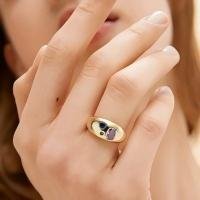
Flush setting creates the illusion that the gemstone is merged with the metal itself. The stone is set perfectly level with the metal surface, fully protected by the surrounding material. This is an extremely durable technique, often used for jewelry designed for heavy daily wear, such as signet rings and men’s bands. The goal is to make the gemstone feel like an integral, organic part of the jewelry, as if it has always belonged there. Only the table (top facet) of the stone is visible, with the rest of the stone concealed beneath the gold surface. This method requires extraordinary precision to ensure the metal fits the stone’s shape perfectly without obscuring its brilliance.
Illusion Setting: The Art of Optical Enhancement
Illusion setting is a masterful technique that makes a gemstone appear larger and more impressive than its actual carat weight. How? By using the metal itself to amplify the stone’s perceived size. The setter creates small prongs or metal patterns that extend outward from the stone’s center, creating the visual effect of a larger diameter. This clever technique delivers stunning visual impact, especially when setting small gemstones, without the added cost of a larger stone. It requires a keen eye and expert execution to balance the optical effect with elegant, refined design.
Setting Soft & Precious Gemstones
Extraordinary care must be taken when working with softer gemstones (such as turquoise, opal, or pearl) and highly fragile stones. For example, prong setting can be too aggressive if the prongs are not prepared and shaped with extreme care. Bezel setting, by contrast, provides maximum protection by fully encasing the stone in metal, making it the ideal choice for sensitive gems. For smaller stones, bead or pavé setting is often preferred, as it uses tiny metal contact points to secure the stone, minimizing direct pressure and the risk of damage.
The setting technique must always be adapted to the specific type of gemstone to avoid irreversible damage. Always start with thorough metal preparation: create a perfectly fitted seat for the stone, and carefully polish all edges to remove any rough spots that could scratch or catch on the gem. Tool selection is also critical: a precision beading tool is essential for creating uniform, secure beads in pavé setting, while a high-quality hand vise provides the stability needed for delicate, precise work. If you are new to stone setting, we recommend starting with foundational resources on metal preparation to build a solid technical base.
Key Steps for Professional Quality Setting in Gold Jewelry
Creating flawless, heirloom-quality gold jewelry requires a methodical approach and meticulous attention to every single detail. It is much like crafting a fine gourmet meal: every ingredient must be perfect, and every step must be executed with precision to achieve the desired result. Following these steps will ensure your gemstones are not only beautifully set, but also securely held in place for generations.
1. Meticulous Metal Preparation
Before even considering the gemstone, the metal itself must be perfectly prepared. This begins with the jewelry design, of course, but the metal must then be precisely cut (typically using a fine jeweler’s saw, such as a Bocfil), and all edges must be polished to a mirror finish with no burrs or rough spots left behind. A solid, perfectly prepared base is the foundation of a secure gemstone setting — much like laying a foundation before building a house; if the foundation is unstable, everything else is at risk of failure.
2. Precise Stone Positioning & Seat Creation
Once the metal is prepared, the custom seat for the gemstone must be cut. Think of this like framing a priceless painting: the support must be perfect. For prong setting, this involves cutting uniform slots in the prongs, all at the exact same height, and ensuring the slots do not extend more than one-third of the way up the stone’s thickness. Improper positioning will not only ruin the appearance of the piece, but also compromise the security of the stone. The gemstone must sit tightly in its seat, with zero movement or wobbling.
3. Using Setting Cement for Stability
Sometimes, to hold the workpiece firmly in place while setting the stone, jewelers use a product called “setting cement”. This is a paste-like substance that temporarily holds all components in perfect alignment. You heat it slightly to soften it, secure the jewelry and stone in place, and wait for it to cool and harden. This provides exceptional stability, allowing you to work on the prongs or beads without shifting any parts of the piece. It is much like using temporary adhesive to hold elements in place before permanent assembly. It is critical to thoroughly clean the jewelry after setting to remove all traces of the setting cement.
Choosing the Right Setting Technique for Your Jewelry
Setting a gemstone in a gold ring. Top of page.
Choosing a setting technique is not a decision to be taken lightly; it directly impacts the appearance, security, and long-term durability of your gold jewelry. You should carefully consider the visual effect you want to achieve, as each setting technique has unique characteristics and is best suited for specific types of gemstones and design styles.
Adapt the Setting to the Gemstone Type
The natural properties of the gemstone you are setting are the single most important factor in your decision. Some stones are far more fragile than others and require extra protection.
- Hard, Durable Gemstones (Diamonds, Sapphires, Rubies): These stones are perfectly suited for prong setting, which enhances their natural beauty while ensuring a secure hold. Bezel or channel setting are also excellent choices, offering both security and timeless elegance.
- Softer or Sensitive Gemstones (Emeralds, Opals, Pearls): For these stones, prioritize methods that minimize direct contact with the metal or provide maximum protection. Bezel setting (which fully surrounds the stone) or pavé setting (which uses small metal beads for minimal contact) are the top choices. For highly fragile stones, a full bezel setting — where the stone is almost entirely encased in metal — is the safest option.
- Unusually Shaped or Large Gemstones: Some setting techniques are better suited for specific cuts. For example, channel setting works beautifully for neatly aligned rectangular or square stones, while prong setting can accommodate almost any stone shape with expert execution.
Consider the Jewelry Design & Desired Visual Effect
Beyond the gemstone itself, the overall style of the jewelry and the effect you want to create play a major role in choosing a setting method.
- For Maximum Brilliance: Prong setting is almost always the best choice. It leaves the stone exposed, allowing light to enter and exit freely, amplifying its natural sparkle and fire. It is the classic, timeless choice for solitaire engagement rings and pieces where the gemstone is the main focus.
- For Security & Understated Elegance: Bezel setting is the ideal option. It protects the stone from impacts and gives the jewelry a smooth, clean, modern appearance. It is perfect for everyday wear and minimalist, contemporary designs alike.
- For a Rich, Luxurious Sparkle: Pavé setting (also called grain setting) is the perfect choice. By setting multiple small stones closely together, it creates a lavish, uninterrupted surface of sparkle. This technique is widely used for cocktail rings, wedding bands, and intricate statement jewelry.
- For Clean, Classic Lines: Channel setting is a safe, sophisticated choice, especially for wedding bands or rings with multiple neatly aligned stones. It delivers a sleek, refined, and timeless look.
The Importance of Gemstone Shape in Setting Selection
The cut and shape of the gemstone also heavily influence the ideal setting technique. Different shapes pair better with specific methods.
- Round Gemstones: Highly versatile, they work beautifully with almost all setting types: prong, bezel, pavé, and channel. Prong setting is particularly popular, as it maximizes the diamond’s brilliance and fire.
- Square or Rectangular Gemstones (Princess Cut, Baguette Cut): Channel setting is an elegant choice for these shapes, creating clean, sharp, uninterrupted lines. Bezel setting also beautifully frames their angular contours.
- Oval or Pear-Shaped Gemstones: Prong setting is the most common choice for these shapes, as it can securely hold the more fragile pointed ends of the stone.
It is always recommended to consult with a professional jeweler to find the perfect balance between the gemstone, design, and setting technique that will bring your jewelry to life.
Quality Requirements for Professional Setting
Precision Movements for Perfect Results
When it comes to high-quality setting, especially in fine gold jewelry, precision is everything. Every movement matters, and every tool must be used with expert skill and control. Consider this: you are working with precious metals and gemstones that can be extremely fragile. One sudden movement, one incorrect amount of pressure, can cause irreversible damage. You truly need a steady hand and unwavering focus. It is much like a surgeon performing a delicate operation, except the patient is not an organ, but a priceless diamond and gold.
The Critical Role of Light & Gemstone Brilliance
The ultimate goal of any setting is to make the gemstone sparkle as brightly as possible, right? To achieve this, light must be able to enter and exit the stone unobstructed. This is why choosing the right setting technique is so critical. Prong setting, for example, with its thin, minimal metal supports, allows for maximum light transmission through the stone. It is the ideal choice for diamonds that are meant to dazzle and shine.
Below is a quick overview of the most common setting techniques and their impact on light return:
- Prong Setting: Maximizes brilliance and light return, ideal for stones designed to sparkle. Note: Less effective at protecting soft or fragile gemstones.
- Bezel Setting: The stone is fully encased in metal, providing exceptional security, but blocking slightly more light than prong setting.
- Pavé/Grain Setting: Multiple small stones are secured together with tiny metal beads, creating a glittering, dazzling carpet effect of continuous light.
Channel Setting: Stones are aligned between two thin metal strips, offering an elegant, classic look and excellent light flow.
Durability & Strength of the Setting
Beyond beauty, a setting must first and foremost be secure. You want to wear your jewelry, show it off, and treasure it for years to come. The last thing you want is for the gemstone to fall out unexpectedly. This is where the quality of the metal finish is critical. All metal edges must be polished to a smooth finish, and prongs must be carefully filed and shaped to prevent them from catching on fabrics or skin.
The metal must hold the stone firmly without leaving marks or compromising the stone’s structural integrity. This requires a delicate balance between force and finesse. A well-executed setting will withstand the test of time and the bumps of daily wear, while keeping the stone securely in place and showcasing its full natural beauty.
For an exceptional, heirloom-quality setting, it is essential to adhere to strict quality standards — much like building a sturdy, timeless structure: every step is critical to ensure the final product is both beautiful and durable. We ensure all components are fitted securely, evenly, and finished with just the right amount of polish to highlight the metal and the stone. If you would like to learn more about how we create perfect, handcrafted jewelry, we invite you to visit our website!
Conclusion: The Art of Setting is About Patience & Precision
You now have a comprehensive understanding of how gemstones are set in fine gold jewelry. This craft requires immense patience, an incredibly steady hand, and years of dedicated practice to master. Whether it is prong, bezel, pavé, or channel setting, each technique has its own unique characteristics, tools, and challenges. If you own a piece of gem-set jewelry, you will now have an even greater appreciation for the artisan’s exceptional skill and attention to detail. Remember, the quality of the setting is what ensures the beauty and longevity of the piece. It is truly an art form worth learning about, respecting, and cherishing.
Frequently Asked Questions (FAQ)
What is gemstone setting, and why is it so important for gold jewelry?
Gemstone setting is the art of securely mounting a gemstone into a piece of gold jewelry. It is critically important because it holds the stone firmly in place, protects it from damage, and allows it to sparkle to its full natural potential. Without a high-quality setting, your ring, necklace, or earrings could quickly lose their most beautiful and valuable gemstone!
What are the essential tools for professional gemstone setting?
To set a gemstone correctly, a professional jeweler uses a variety of specialized, precision tools. These include tweezers (onglettes) for holding and manipulating the stone, files and gravers for preparing the metal, a jeweler’s hammer for shaping prongs and bezels, and often a binocular microscope for close, detailed work. It is much like being a surgeon for the fine jewelry industry!
Can you explain the different methods of setting gemstones?
Absolutely! There are many specialized setting techniques, each with unique benefits:
- Prong Setting: Uses small, shaped metal prongs to hold the stone, keeping it highly visible and maximizing its sparkle.
- Bezel Setting: Fully encases the stone in a custom metal rim, making it extremely secure and ideal for fragile stones.
- Pavé Setting: Uses tiny hand-formed metal beads to secure clusters of small stones, creating a seamless, glittering surface.
- Channel Setting: Sets stones in a precision-cut channel between two metal strips, creating a clean, continuous line of light, perfect for wedding bands.
How do you prepare the metal before setting a gemstone?
Before setting the stone, the metal must be carefully and precisely prepared. The jeweler will first carve a custom seat or recess for the stone, with precise notches or slots for prongs or bezels. All metal surfaces must be smooth, even, and polished to remove any burrs or rough spots, ensuring the stone fits perfectly and is held securely.
Does the type of gemstone change the setting method used?
Absolutely! The choice of setting technique depends heavily on the gemstone’s hardness, fragility, and shape. For example, a fragile stone like an emerald is much better protected with a bezel setting, while a durable diamond can be set with prongs to maximize light transmission and sparkle. The stone’s shape also plays a major role in selecting the ideal setting.
How can you tell if a gemstone setting is good quality?
A high-quality setting will have the stone perfectly level and securely held in place, with zero wobbling or movement. The surrounding metal will have a smooth, burr-free finish, with no rough edges that could catch on skin or fabrics. The stone should sparkle brightly, indicating that the setter has maximized light penetration through the stone. Most importantly, the jewelry should feel solid and durable, designed to be worn and enjoyed for many years.
2 Comment(s)
I liked how the article explained that choosing a gemstone setting is about more than appearance. The comparison between prong, bezel, pavé, and channel settings made the strengths and tradeoffs easy to understand, especially how bezel settings improve protection while prongs maximize brilliance. That practical perspective made the guide genuinely useful.
Nice breakdown of setting types! Bezel is definitely safer for fragile stones, though prongs win on sparkle.
Leave a comment